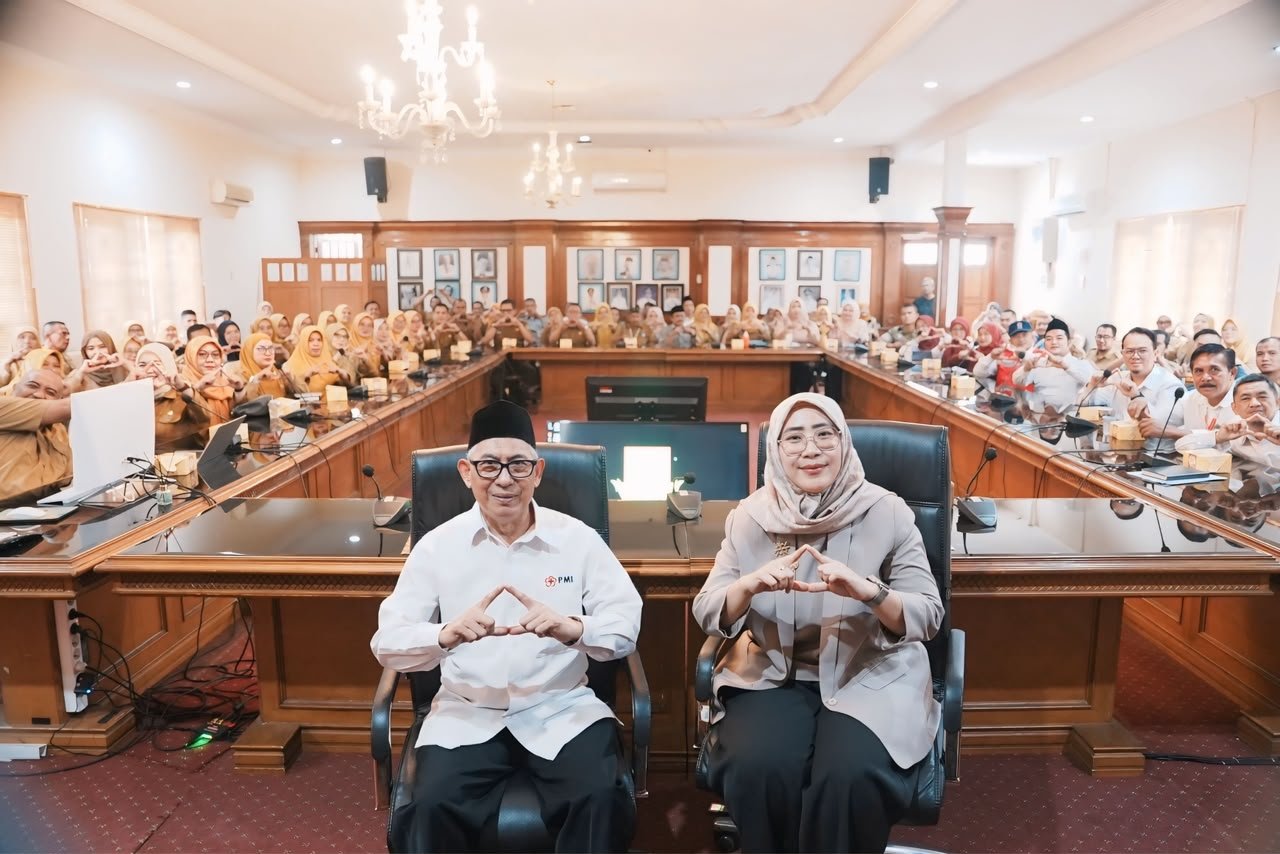
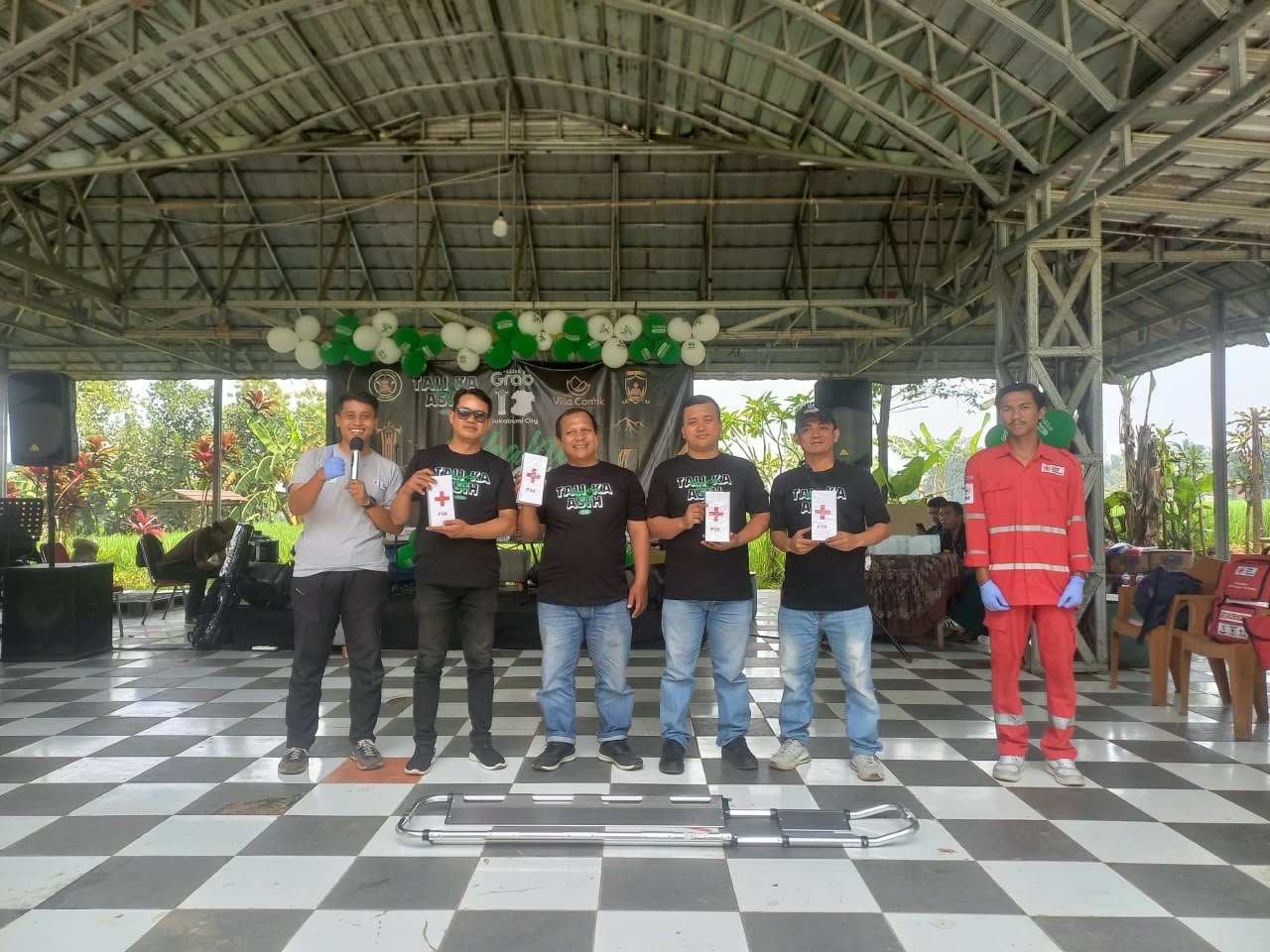
SUKABUMI, — Student orientation at Praditya Adhigana Global School (PAGS) this year extended far beyond introducing classrooms and school regulations. As part of its Student Environment Orientation (SEO) 2026, the school equipped new students with practical disaster preparedness skills, first aid training, emergency evacuation procedures, and fire and rescue awareness, reinforcing a culture of safety from the very beginning of their educational journey.
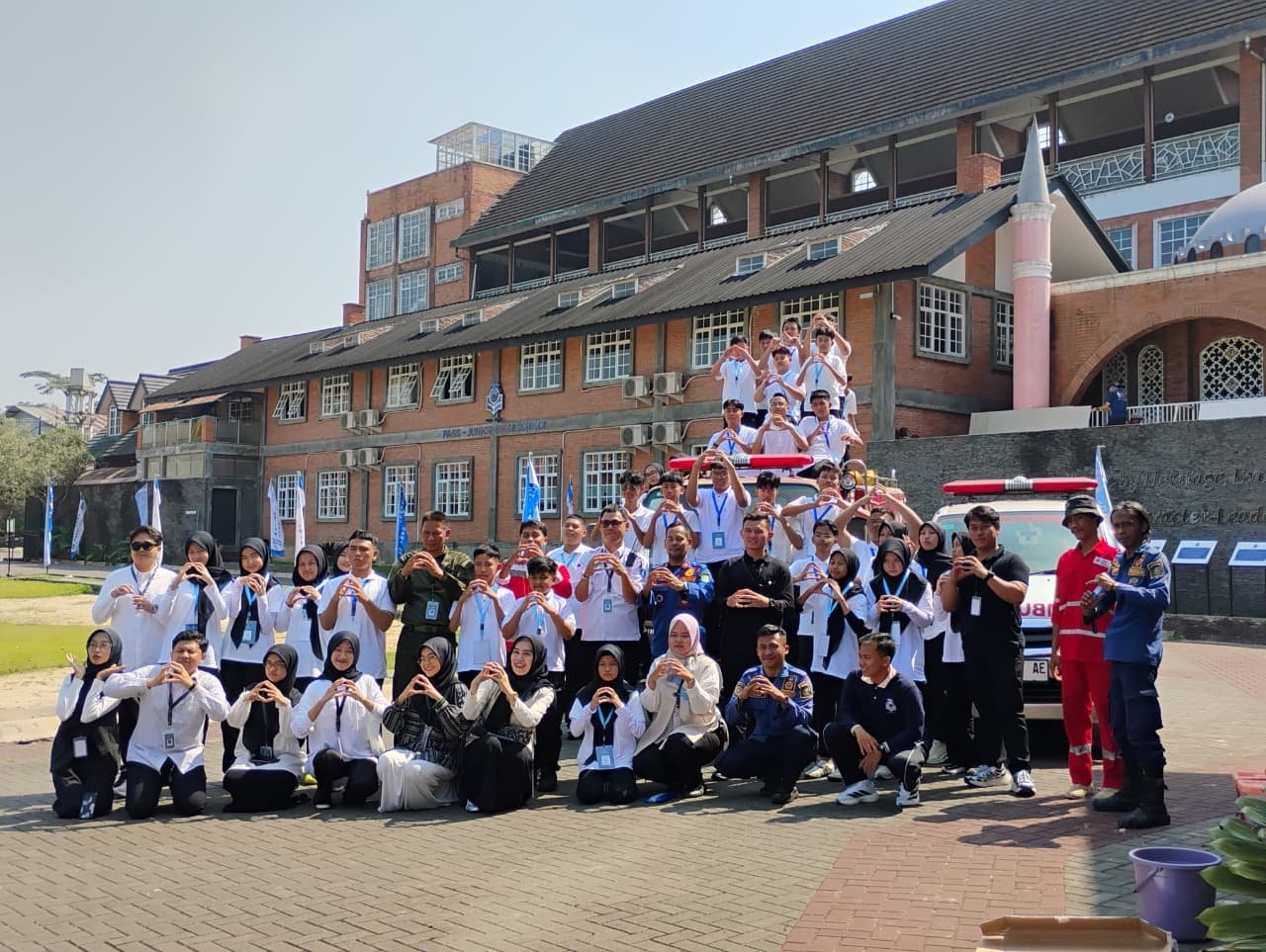
Held on Tuesday, July 14, 2026, the program brought together 30 new students—14 junior high school students and 16 senior high school students—alongside teachers and school staff for a half-day series of interactive learning sessions.
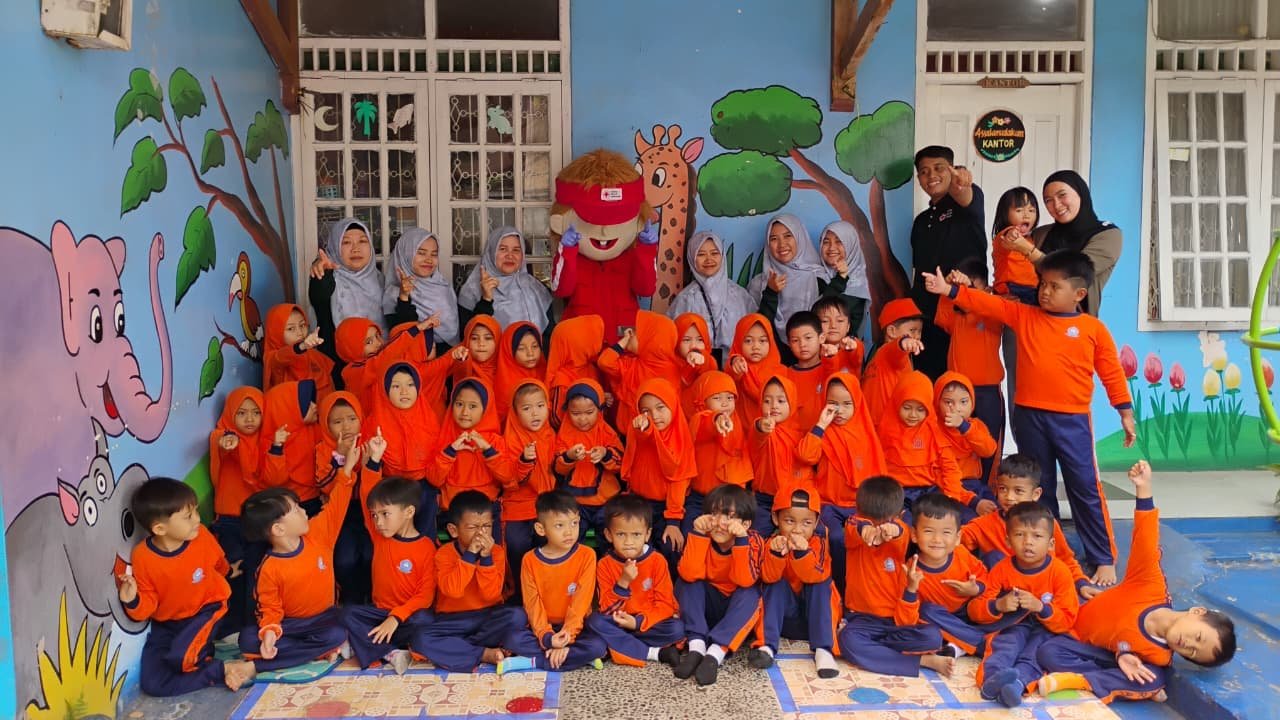
Recognizing Indonesia’s vulnerability to natural hazards, PAGS partnered with the Indonesian Red Cross (PMI) Sukabumi City Chapter and the Sukabumi City Fire and Rescue Department to deliver hands-on disaster risk reduction education. The initiative reflects the school’s commitment to integrating resilience and humanitarian values into everyday learning.
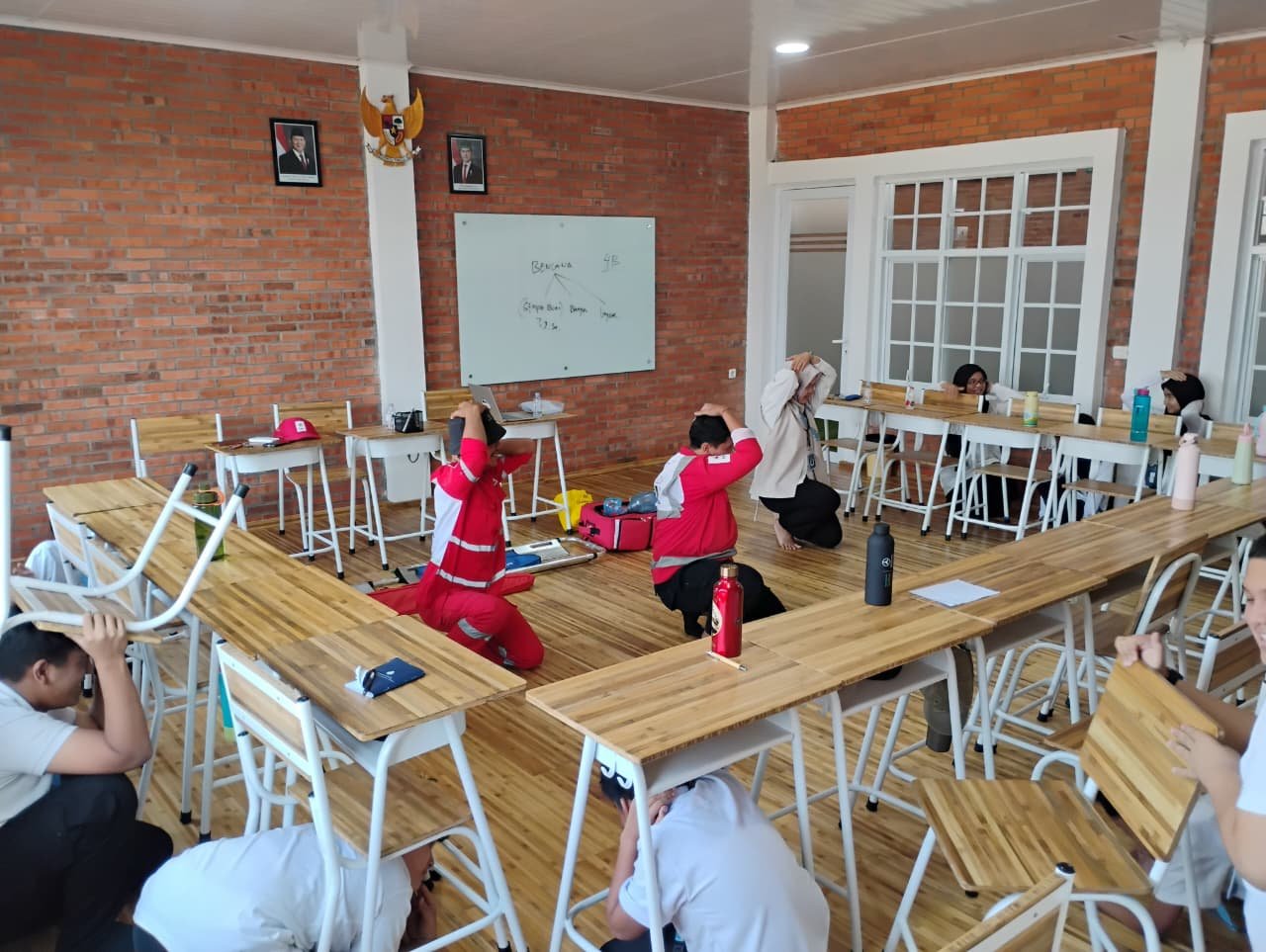
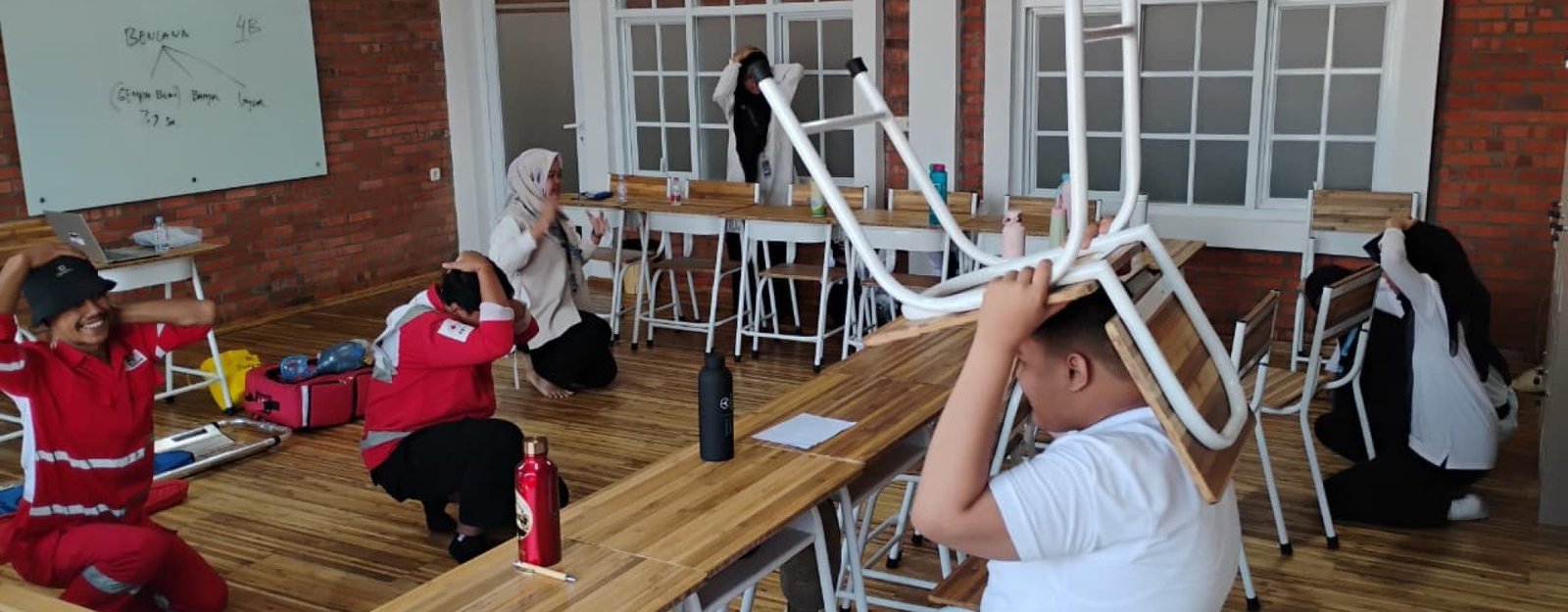
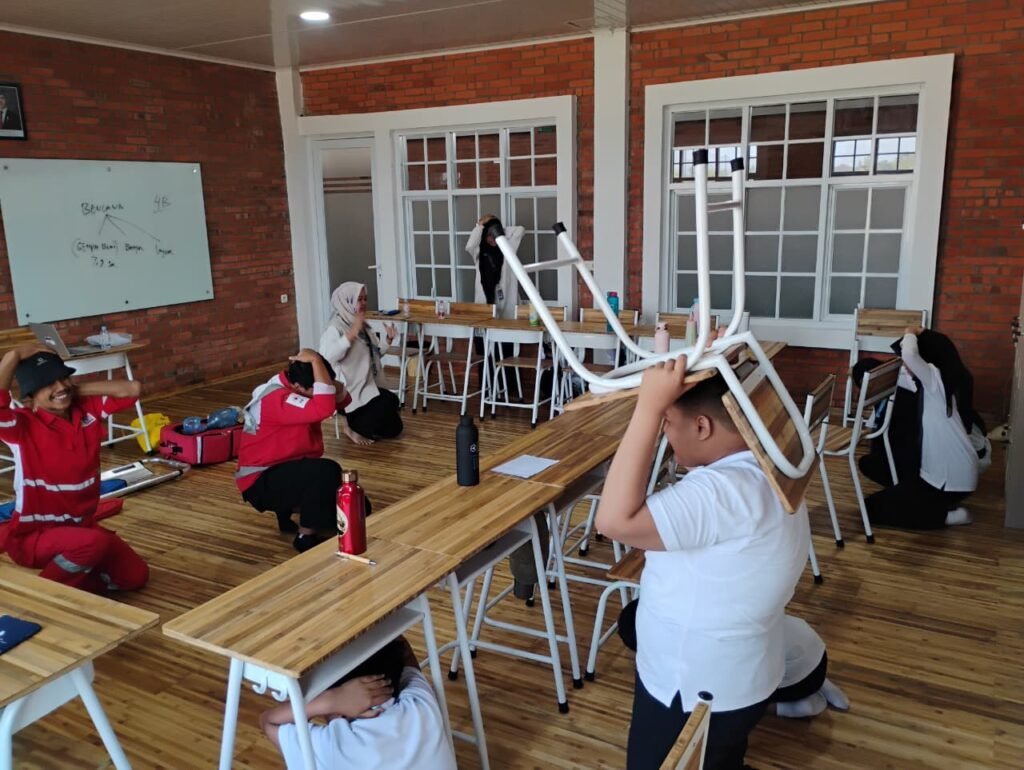
During the first session, instructors from PMI introduced students to disaster preparedness principles, including hazard awareness, emergency response procedures, and basic first aid. Students then participated in an earthquake simulation, practicing the internationally recognized “Drop, Cover, and Hold On” technique before evacuating to designated assembly points through established emergency routes.
The Fire and Rescue Department complemented the program with presentations on fire prevention, emergency response, and animal rescue operations, highlighting the expanding role of modern fire services beyond firefighting. Students learned how firefighters respond to a wide range of emergencies, including technical rescues, public safety incidents, and animal rescue missions.
Dinar Mochamad J., a staff member of PMI Sukabumi City Headquarters, said that disaster education should become an integral part of school culture rather than being delivered only after disasters occur.
“Countries with high levels of disaster resilience do not rely solely on technology. They build a culture of preparedness through continuous education and regular drills in schools. When students repeatedly practice emergency procedures, they know how to respond calmly and effectively during real emergencies. Quick and appropriate action can significantly reduce injuries and save lives,” Dinar said.
He added that, as one of the world’s most disaster-prone countries, Indonesia has a responsibility to ensure that preparedness becomes a life skill developed from an early age.
“Our hope is that students will not only be able to protect themselves but also assist their classmates, families, and communities during emergencies. Disaster awareness should become part of every young person’s character,” he added.
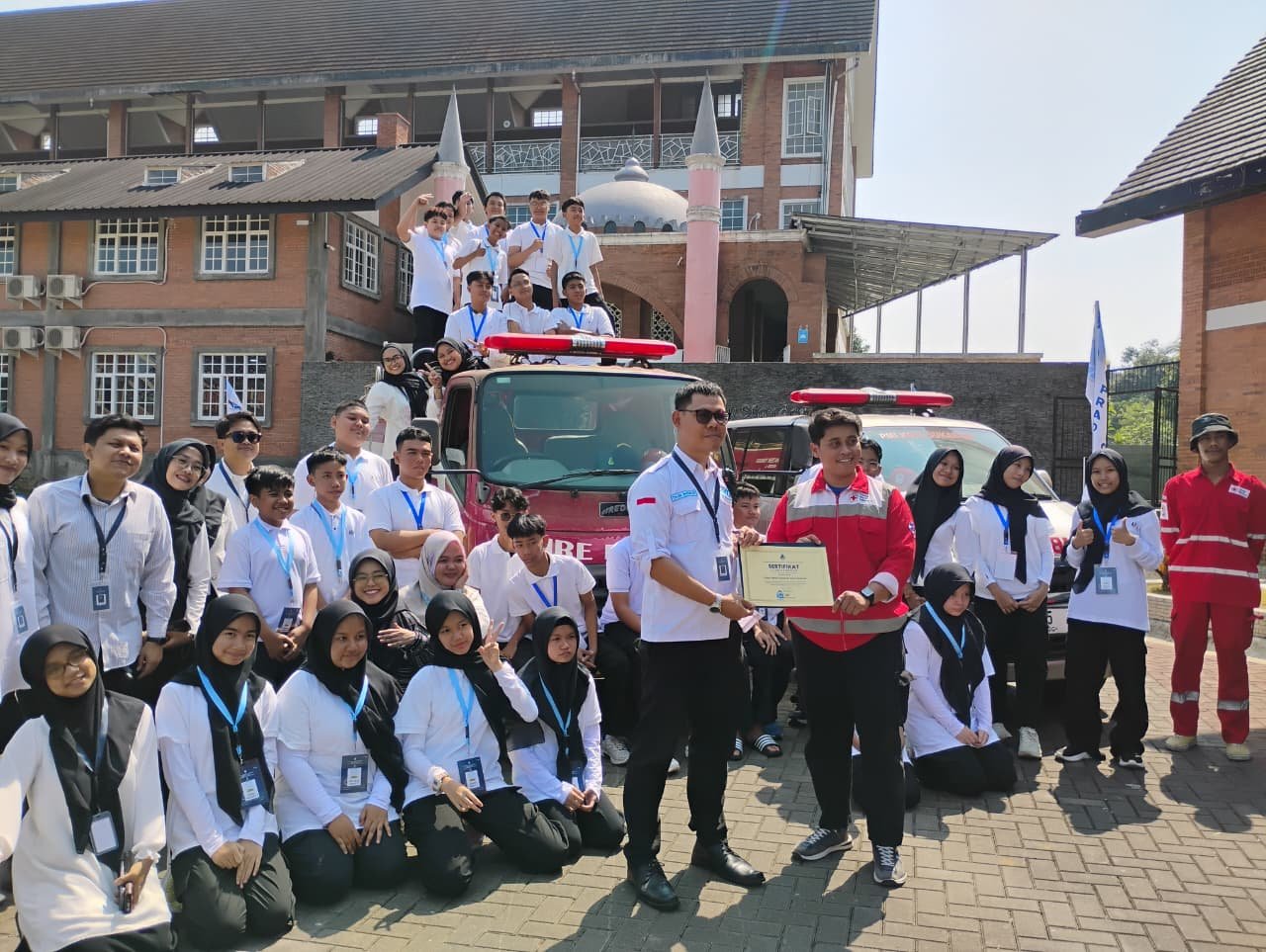
Meanwhile, Tajul Barokat, Principal of Praditya Adhigana Global School, expressed appreciation to both PMI Sukabumi City and the Sukabumi City Fire and Rescue Department for collaborating in the orientation program.
“We sincerely appreciate PMI Sukabumi City and the Fire and Rescue Department for supporting this year’s Student Environment Orientation. The topics presented are highly relevant to our students because our campus spans approximately four hectares with extensive green spaces and outdoor learning environments. It is essential that every student understands first aid, disaster preparedness, and emergency response as part of their daily learning experience,” Tajul said.
He noted that resilience education is not only about responding to disasters but also about shaping responsible and compassionate future citizens.
“We hope this program becomes the starting point for students to become actively involved in Red Cross youth activities. In the future, we would like to see our students representing the school in humanitarian programs at the regional, national, and even international levels. Our goal is to develop graduates who excel academically while demonstrating humanitarian values, social responsibility, volunteerism, and resilience,” he said.
Through its Student Environment Orientation, PAGS demonstrates that student orientation can be more than an introduction to school life. By embedding disaster preparedness, humanitarian education, and emergency response into the program, the school is cultivating a safer learning environment while preparing students to become resilient individuals capable of protecting themselves and supporting their communities in times of crisis.
The initiative reflects a growing global trend in education, where schools increasingly recognize disaster preparedness as an essential life skill and a key component of building resilient communities in an era of increasing natural hazards and climate-related risks.